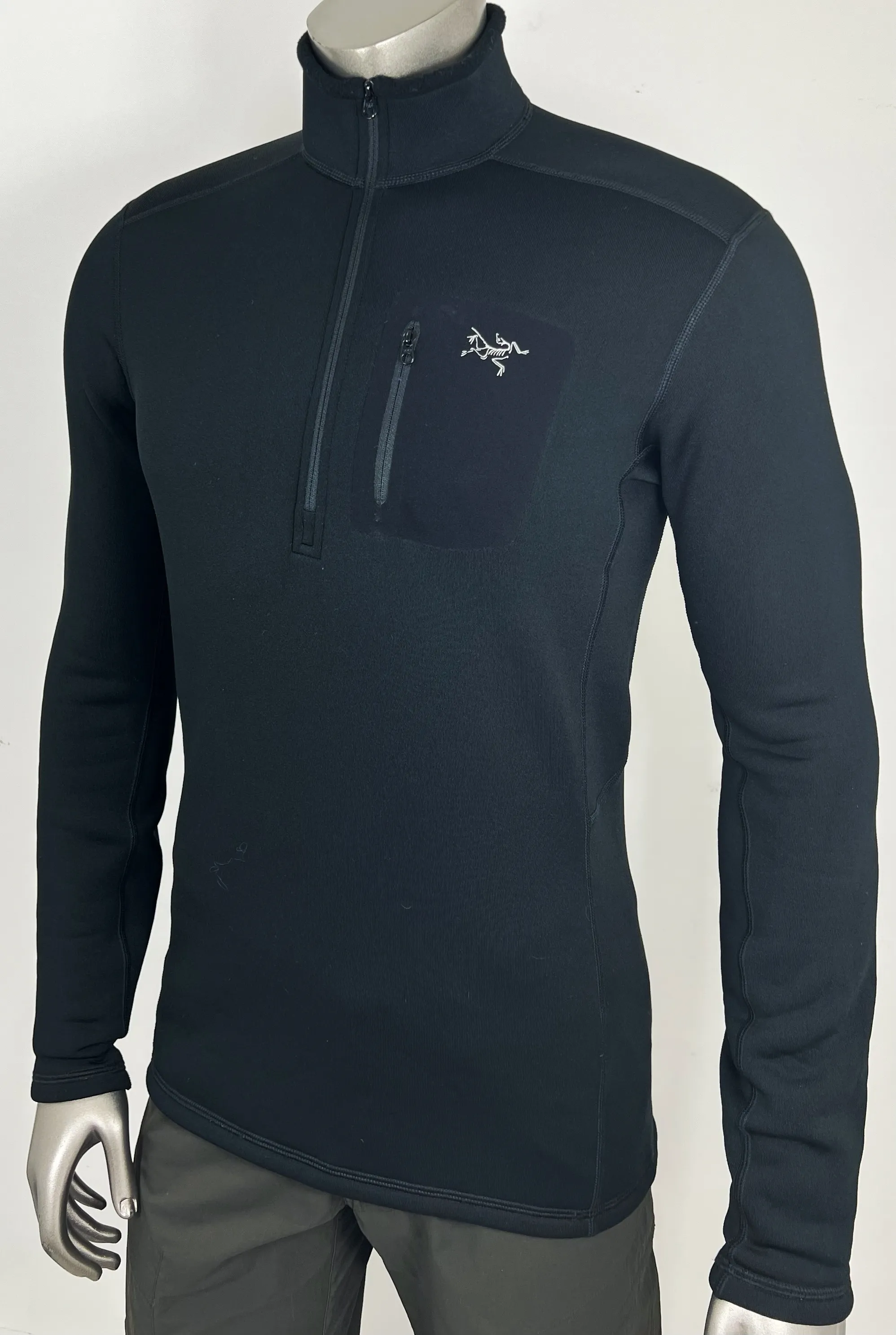
Arc'teryx Rho AR Zip Neck

Arc'teryx Rho AR Zip Neck
The Arc'teryx Rho AR Zip Neck uses Torrent 230 fleece for cold-weather base layering when the lighter Rho LT isn't warm enough. This is the heavier sibling in Arc'teryx's Rho lineup, built for freezing temperatures and lower-output activities where heat retention matters more than breathability. The quarter-zip allows ventilation adjustments, and the brushed interior feels soft against the skin even during extended wear. I reach for this when temperatures drop below 20°F or when I know I'll be standing around in cold conditions. The thicker Torrent 230 fabric traps more warmth than the LT version, making it better suited for lift-served skiing, belaying, or any activity with significant downtime. The stretchy construction moves with your body during active moments without restricting the range of motion.

Torrent 230 Fleece for Freezing Temperatures

The Torrent 230 fabric uses a denser fleece construction than the 190-weight used in the Rho LT. The 230 designation indicates approximately 230 grams per square meter of fabric, creating a warmer but less breathable layer. This trade-off makes sense for cold conditions where heat retention takes priority. The brushed interior has a soft hand-feel, working well against skin or over a thin base layer. The smooth exterior slides under shells and midlayers without grabbing or bunching. Flatlock seams prevent chafing during repetitive movements, and the trim athletic fit layers efficiently under technical outerwear.

How Does the Arc'teryx Rho AR Zip Neck Fit?

Arc'teryx designed the Rho AR with a trim athletic fit that hugs your torso without compression. At just over 6 feet and 165 pounds, I wear a size L with room for a thin synthetic or merino baselayer underneath when temperatures get serious. The sleeves extend to the wrist without riding up during arm movement. The collar sits between a crew neck and a full turtleneck, providing warmth without feeling restrictive. The quarter-zip opens far enough to dump excess heat during climbs, though the heavier fabric retains warmth better than it releases it. The zipper pull works with light gloves for on-the-fly adjustments.

Best from 0 to 25 Degrees Under a Shell

This excels in temperatures from 0-25°F during moderate activity levels. For resort skiing with chairlift exposure, the Rho AR provides enough warmth to handle cold rides without overheating on groomed descents. For backcountry touring, it runs too warm for sustained climbing but works well during transitions and descents. I layer the Rho AR under a midweight fleece and hardshell for deep winter days. The combination handles single-digit temperatures without issue. For higher-output activities like ski touring or winter hiking, the lighter Rho LT breathes better and prevents overheating.

Arc'teryx Rho AR vs. Rho LT and Patagonia Capilene

The Rho AR sits between the lightweight Rho LT and dedicated expedition baselayers. For most winter activities in typical mountain conditions, the AR provides enough warmth. True extreme cold requires even heavier options or combining multiple pieces. The Patagonia Capilene Thermal Weight offers similar warmth with a grid-fleece construction that some find more breathable. The Arc'teryx Torrent fleece feels softer against skin and layers more smoothly under technical shells.

Reliable Warmth When Lighter Baselayers Fall Short

For dedicated cold-weather use, the Rho AR Zip Neck delivers. The Torrent 230 fleece provides reliable warmth in conditions where lighter baselayers fall short. The quarter-zip design allows ventilation that crew necks lack, and the trim fit layers efficiently under shells. The price reflects Arc'teryx premium positioning. For occasional cold-weather use, cheaper heavyweight baselayers work adequately. For regular use in freezing conditions, the Rho AR's construction quality and comfort justify the investment. For the complete system, see the Rho LT Bottom and Rho Toque. The best beanies for skiing cover headwear for cold days.