
Arc'teryx Gamma Jacket

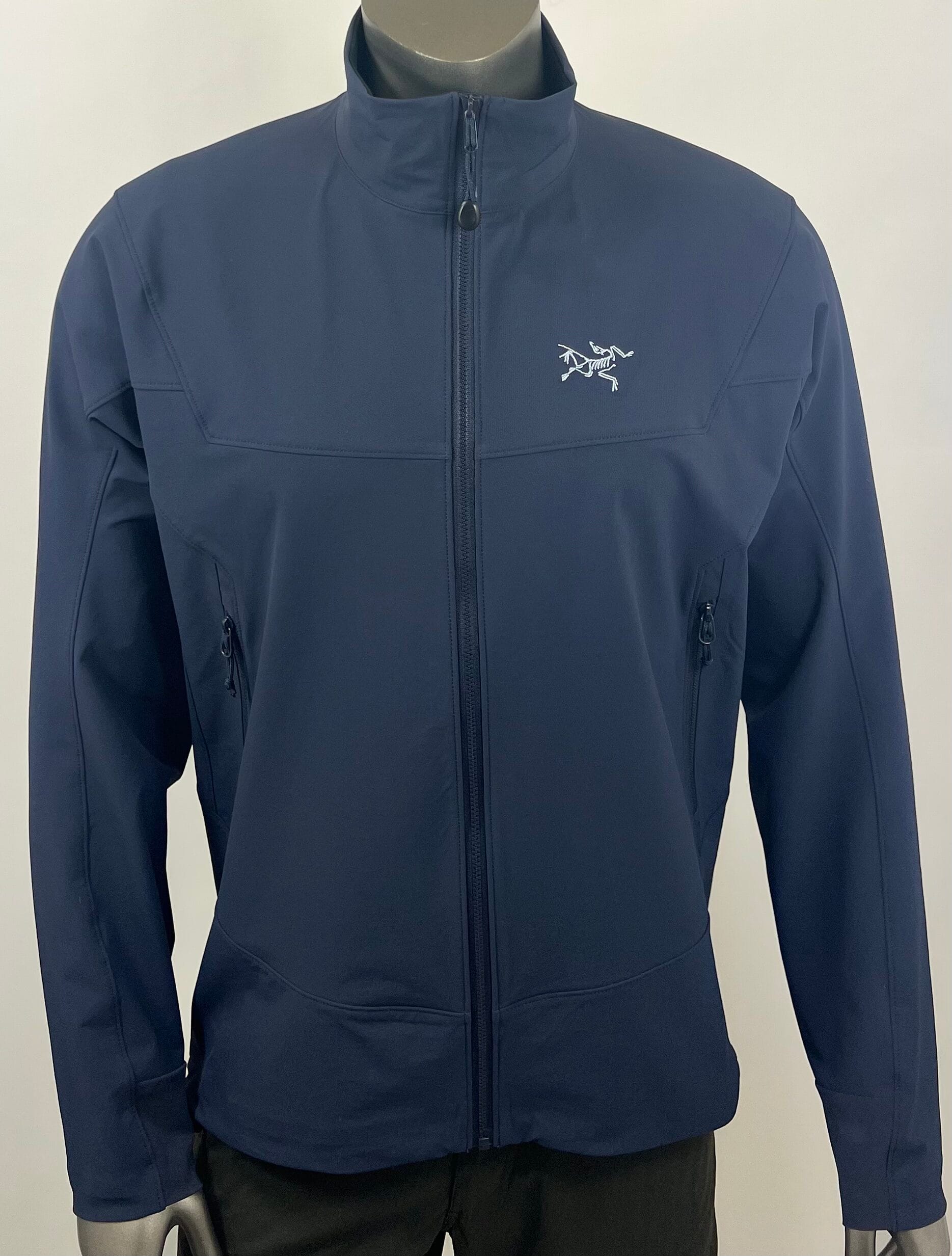
The Arc'teryx Gamma Jacket weighs around 400 grams and has become my default layer for hiking when conditions call for wind or light rain protection. I don't wear it on every hike; I only wear it when the weather demands more than a base layer but less than a full hardshell. Arc'teryx built this jacket using a double-weave fabric that balances wind resistance, water repellency, and breathability.
The material stretches in four directions, which matters when you're reaching overhead or adjusting pack straps mid-hike. There's a mesh lining for breathability, two chest pockets for quick access to essentials, and a brushed fleece collar that won't chafe your neck. I've been using this jacket for two or three years on hikes ranging from easy day trips to more technical scrambles.
Wind Protection That Actually Works
Wind protection is where this jacket excels. The double-weave fabric blocks wind completely without feeling stiff or restrictive. I've worn it on exposed ridge hikes where sustained winds were 20-25 mph, and the jacket never let cold air penetrate. The stretch in the fabric means you don't get that crackling, plastic-sheet feel you sometimes get with windproof layers.
The water repellency is adequate for light precipitation. Arc'teryx treats the fabric with a DWR finish that initially beads water. In steady drizzle, the jacket keeps you dry for maybe 30 minutes before the face fabric starts to wet out. This isn't a rain jacket, but for brief weather events or morning dew on brushy trails, it's sufficient.
How Does the Arc'teryx Gamma Jacket Fit?
The athletic fit is trim without being restrictive. At just over 6 feet and 165 pounds, a medium fits me perfectly over a thin base layer. There's not much room for thicker midlayers underneath. If you want to layer a fleece or insulated jacket under the Gamma, you'll probably need to size up.
The sleeve length is good, with cuffs sitting right at my wrists without riding up when I raise my arms. The hem hits at my hips and has an adjustable drawcord. The collar is lined with brushed fleece, which feels good against bare skin without the chafing that some softshells cause.
Best Between 35 and 60 Degrees
I've used the Gamma Jacket in temperatures ranging from 35°F to 60°F. Below 35°F, I need more insulation than this jacket provides on its own. Above 60°F, it's too warm unless conditions are particularly windy or wet. The sweet spot is probably 40-55°F for moderate to high-output hiking.
This jacket works best as an outer layer over a base layer or very thin midlayer. It's not designed to be a midlayer under a hardshell, though you could use it that way if you size the hardshell appropriately. The jacket doesn't provide much warmth on its own because it has no insulation.
Tougher Than It Looks
The double-weave fabric is tougher than it looks. I've brushed against rocks, scraped past branches, and generally abused this jacket without tears or significant wear. There's some pilling on the interior mesh where my pack straps rub, but the outer fabric shows minimal wear. Arc'teryx reinforced the shoulders and elbows with thicker fabric. The zippers are YKK and have been reliable with no snags.
Arc'teryx Gamma Jacket vs. Patagonia R1 TechFace
Compared to the Patagonia R1 TechFace Hoody, the Gamma is less breathable but more wind-resistant and durable. Within Arc'teryx's lineup, the standard Gamma is the middle option. The Gamma LW Shorts use similar Aequora fabric for warm-weather hiking. The Gamma MX is heavier with a fleece lining for cold conditions.
At $250-280, it's expensive for a wind-resistant softshell. The two chest pockets are positioned high enough to be accessed with a pack hipbelt, but there are no hand pockets, which some might miss for casual use. For hiking pants to pair with the Gamma, see the Lefroy Pant and Gamma Pant. The best beanies for hiking cover headwear options.
Find the Arc'teryx Gamma Jacket at authorized retailers.