
Arc'teryx Atom AR

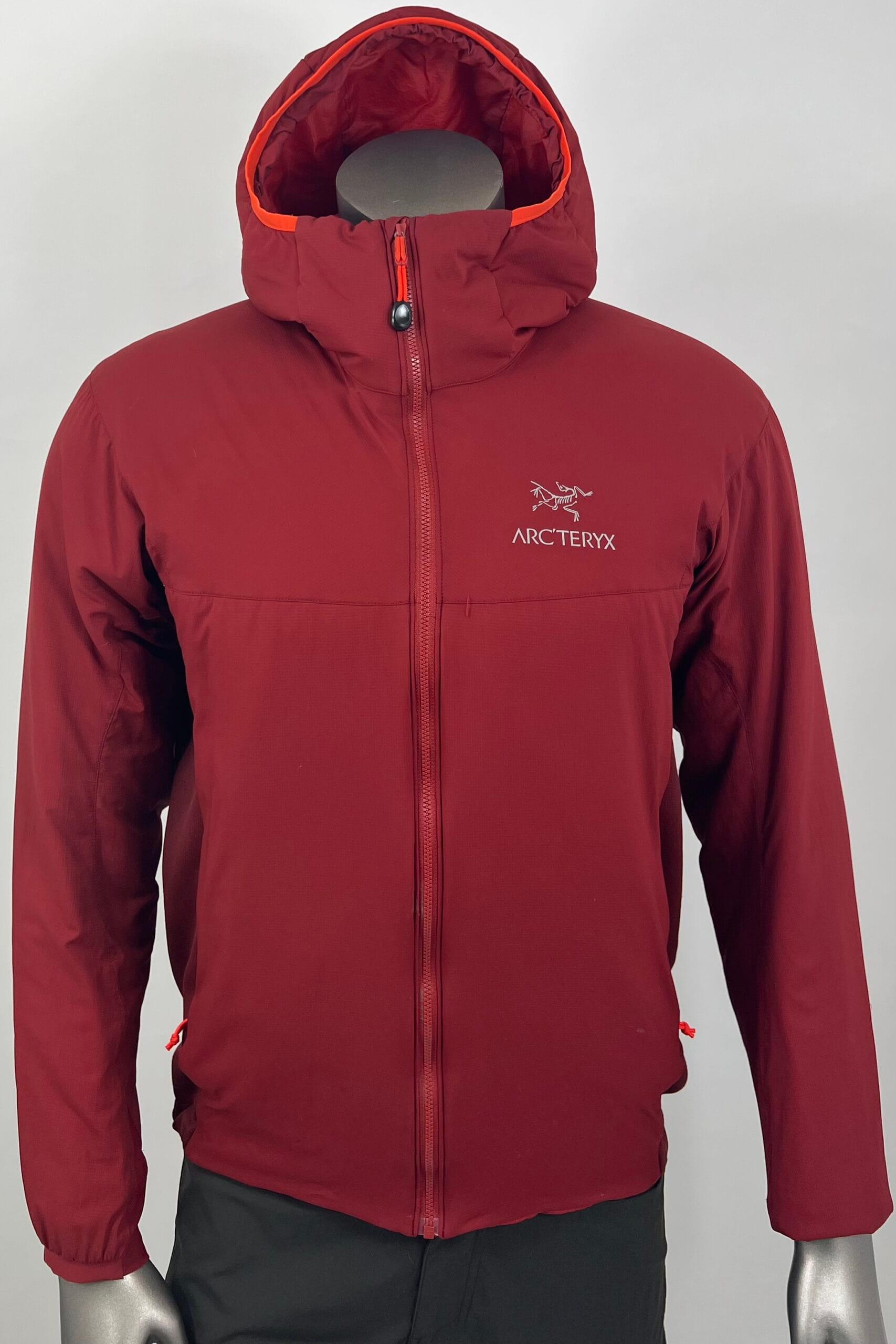
Arc'teryx introduced the Atom AR Hoody as the warmest jacket in their Atom synthetic insulation lineup, using strategically mapped Coreloft insulation with 120g in the body, 80g in the underarms, and 60g in the hood. Weighing approximately 480 grams (16.9 oz), this jacket features a Tyono 30 denier shell with DWR treatment and Permeair panels under the arms for breathability. The Atom AR has since been renamed to Atom Heavyweight Hoody, then Atom SV Hoody in the current lineup. Made at Fair Trade Certified facilities. Retail $350.
How Warm Is the Arc'teryx Atom AR Hoody?
The mapped Coreloft insulation creates the warmest Atom variant by placing the thickest 120g fill where you need it most: torso, shoulders, and outer sleeves. Lighter 80g and 60g fill in the underarms and hood reduces bulk while maintaining thermal efficiency. I've worn this during Colorado snowboarding trips when temperatures dropped into the teens, and it kept me comfortable on chairlifts with just a base layer underneath. The adjustable StormHood seals heat around my head, and the tall collar comes up high enough to protect my chin from wind. For temperatures above 40 degrees, this jacket runs too warm for anything beyond low-output activities.
Breathability Through Permeair Panels
The Permeair panels under the arms help dissipate excess heat during moderate activity. I've used this during winter hiking in Texas, when effort levels varied from steep climbs to flat stretches, and the breathability prevented the soaked-out feeling common with less ventilated insulated jackets. That said, the Atom AR is not designed for sustained high-output use. For touring or skinning uphill, the Atom LT (now Atom Hoody) with its lighter 60g insulation and larger fleece panels breathes better. The AR works best for cold belays, resort skiing with breaks, or casual winter wear where warmth matters more than ventilation.
Fit at 6 Feet and 165 Pounds
The trim fit allows a midweight base layer to be worn underneath while maintaining freedom of movement. At just over 6 feet and 165 pounds, I wear a medium that fits perfectly over a Rho LT or Phase SL base layer. The articulated patterning and gusseted underarms prevent restriction during dynamic movement. The stretch-knit cuffs seal against wrists without bunching under gloves, and the drawcord hem cinches to block drafts. Arc'teryx updated the fit in 2020 with a slightly longer hem and revised cuff design. The jacket layers under hardshells without excessive bulk on ski days that require storm protection.
Arc'teryx Atom AR vs. Atom LT
The Atom AR uses 120g insulation in the body versus 60g in the Atom LT, making it roughly twice as warm in core areas. The AR weighs approximately 480g compared to 375g for the LT. For temperatures above 35 degrees or high-output activities, the LT's lighter insulation and larger fleece side panels provide better versatility. The AR excels when warmth is the priority: cold belays, lift-served skiing, standing around in winter conditions, or casual wear in sub-freezing conditions. I own both and reach for the AR when temperatures drop below 30 degrees, and the LT for everything else. The current lineup calls these Atom SV (warmest), Atom Hoody (mid), and Atom SL (lightest).
Five Winters and No Signs of Wear
The Tyono 30 denier shell resists abrasion better than the 20 denier Tyono on lighter Atom versions. The DWR treatment sheds light precipitation without compromising breathability. I've worn mine for five winters of snowboarding and hiking without any shell tears, delamination, or significant wear patterns. The synthetic Coreloft insulation maintains loft after compression and washing, unlike down, which requires careful handling. Machine wash on delicate, cold water, and tumble dry low to restore DWR performance. The Atom washing guide covers detailed care instructions.
Is the Arc'teryx Atom AR Hoody Worth $350?
For cold-weather versatility between 0 and 35 degrees, the Atom AR delivers exceptional warmth without parka bulk. The mapped insulation strategy and quality construction justify the $350 price for users who need substantial warmth during winter activities. The Patagonia Nano Puff Hoody at $289 offers lighter insulation with similar construction, while the Rab Microlight Alpine at $280 uses down for better warmth-to-weight at the cost of wet-weather performance. Within Arc'teryx, the Atom LT is better suited to active use in milder conditions. Check Arc'teryx for the current Atom lineup.